



Todd Beamer, Our Lady and God’s Perfect Will
Precision and clarity are requisite in theology, a theme developed by the great Josef Pieper. One of the reasons for this, besides the great...

Vienna and Europe Saved in the Holy Name of Mary…For a Time
September 12th commemorates the Holy Name of Mary, made sacred by the holiness of the Theotokos, the Mother of God, full of grace. It was...
Memento Mori: From Temporary Pain to Eternal Purpose
Memento mori is a Latin phrase meaning “remember that you will die.” For centuries, it served as a warning against wasting life on temporary things...

Mother Teresa of Calcutta’s Mission to the Poorest of the Poor
As universities gear up to receive students, we should leave the travails of this world for a moment and ponder the other-worldliness of Mother...

The Interior Furnace: Reclaiming our Burning Love for Jesus and Mary
In our modern, fast paced world, there is a dangerous tendency to turn our Catholic faith into a cold, dry routine. We easily look...
At the Roots of the Mountains: J.R.R. Tolkien’s Contributions to The Jerusalem Bible:...
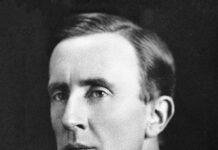
(Contributor Kaleb Hammond offers here an intriguing historical analysis of J.R.R. Tolkien's small but significant role in the work on the Jerusalem Bible. His...

Beauty and the Assumption
In Dante’s epic poem, The Divine Comedy, the poet puts these words in the mouth of St. Bernard of Clairvaux as he gazes on...

The Long Shadow of Hiroshima
I post this again, indeed each year, in light of 'never forget', so that evil will 'never be repeated. For on this feast of...

Alphonsus of Ligouri, A Moral Teacher for All
Saint Alphonsus Ligouri (1696 - 1787) was a renaissance man, whose kind was a rarity in his post-renaissance era, and even more so now...

The Danger of Therapy Without the Cross
As a psychology graduate, I do not dismiss the benefits of this discipline, along with psychotherapy, which can help us understand behaviour, wounds, fear, grief, family patterns, and suffering. But something changes when psychology stops being a tool and becomes a worldview. One of the great temptations of our age is the belief that therapeutic language alone can tell us who we are, what is wrong with us, and how we are to be healed.