
We live in a time when we are facing a growing crisis of fatherlessness. This is evident not only in society but also in the Church, where some shepherds may struggle to relate to those entrusted to their care as spiritual fathers because of their own woundedness. In psychology, the father wound refers to unresolved trauma between a father and child that occurs when a father is physically or emotionally absent, neglectful, abusive, or otherwise unable to provide the love, affirmation, and security that a child needs. The effects of this wound can extend well into adulthood, often manifesting as a performance-oriented mindset in which a person’s worth becomes tied to achievement. Instead of living from a secure identity, the individual becomes a perpetual “doer,” striving to earn acceptance.
In my work as a physician, I have encountered many patients who carry father wounds, including Catholic priests. Many priests faithfully embody spiritual fatherhood through their generosity, sacrifice, and loving presence. At the same time, like all people, priests carry their own personal histories and wounds, and some may struggle to receive the healing they seek to offer to others. Priests today are often stretched thin by numerous pastoral responsibilities, administrative demands, and the increasing needs of their parishes. While these pressures alone can be exhausting, those with unresolved father wounds are at greater risk for mental health problems, interpersonal conflict, addiction, burnout, and, in some cases, narcissistic patterns of relating that arise as defenses against deeply rooted shame and insecurity. These wounds are often fueled by a disordered desire to please, perform, or derive one’s identity from external affirmation. Over time, this can diminish not only their own well-being but also their capacity to offer the compassionate and fatherly presence that people so desperately seek.
Spiritual fatherhood is not primarily about productivity or constant activity. It is about presence. When a priest’s own wounds remain unaddressed, it may become more difficult to offer this kind of spiritual fatherhood consistently. This serves as a reminder that priests, too, need healing. Their vocation does not exempt them from this human need. For this reason, we must also pray for our priests. Just as there has historically been stigma surrounding mental health in medicine, there can also be a culture within the Church that discourages clergy from seeking psychological support or admitting personal struggles. We should avoid over-spiritualizing what may, in fact, be real psychological difficulties that deserve compassionate and professional care. Psychological healing and spiritual growth are not competing realities; rather, when properly integrated, they enable a priest to reflect the Father’s heart more faithfully. Moreover, Jesus reveals to us the perfect Father, whose love is unwavering, whose presence never abandons us, and whose affirmation is not earned but freely given. In Christ, we are not left as orphans but are invited into the relationship of love He shares with the Father (cf. John 14:18; Romans 8:15).
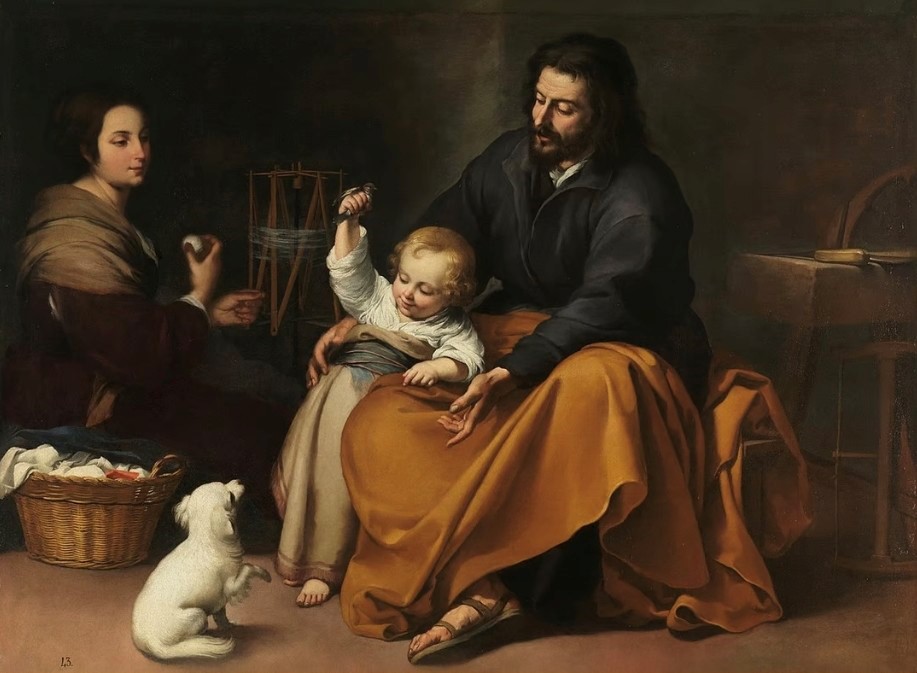
Finally, the Church offers us the quiet yet powerful example of Saint Joseph. Though Scripture records none of his words, his faithful presence speaks volumes. He protected, provided, and listened with a heart of unwavering fidelity. As the foster father of Jesus and the patron of the universal Church, Saint Joseph shows us that authentic fatherhood is rooted in faithful love, humble service, and self-giving sacrifice. Through his intercession, may priests and all those carrying father wounds find the courage to confront fear and shame and receive healing. As priests grow in their own identity as beloved sons of the Father, they become better equipped to help others discover their identity as beloved sons and daughters of God in Christ.
Saint Joseph, pray for us.