

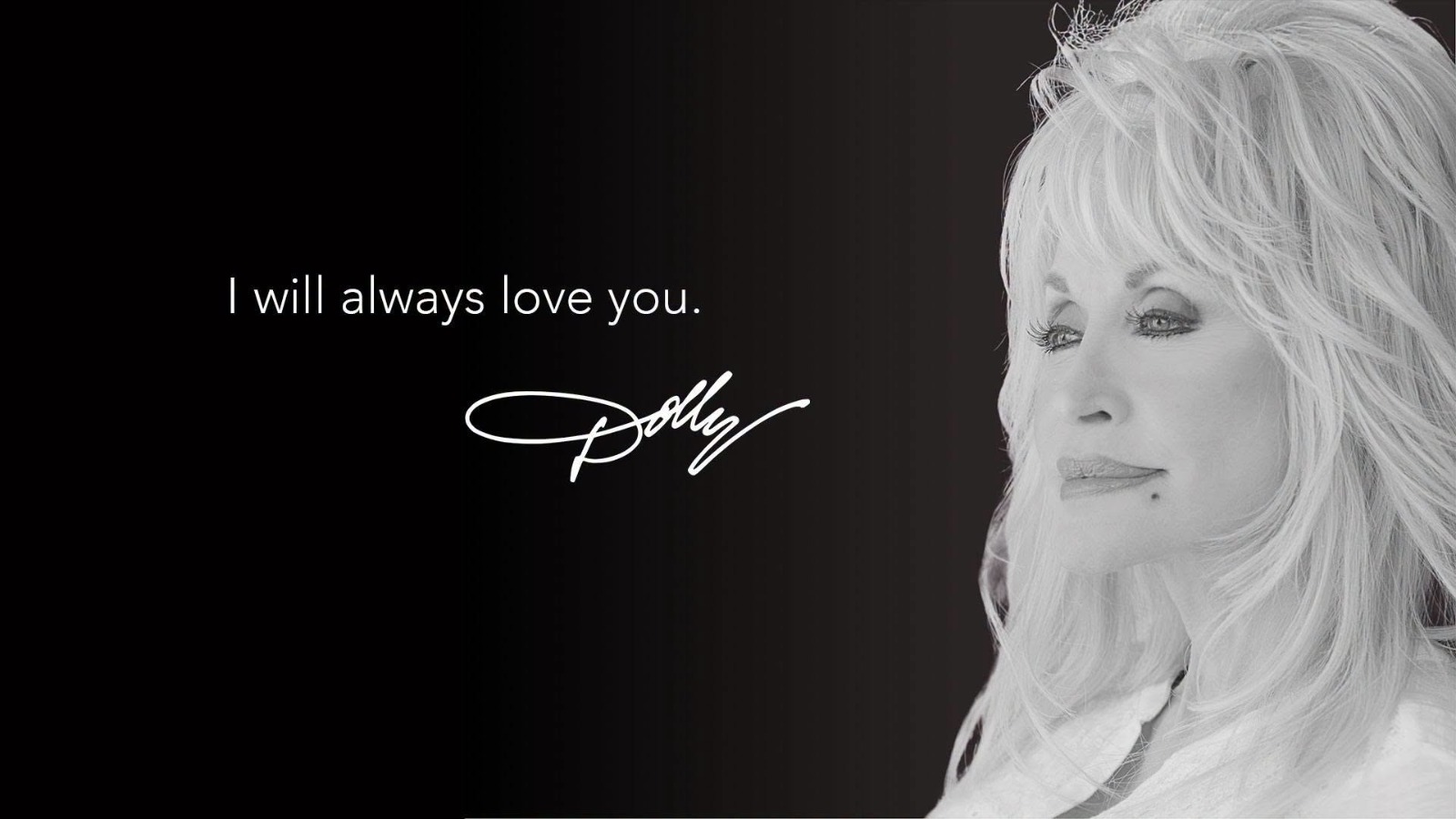
(New contributor Suzanne Cruz offers here a contrast between the public reactions to the recent deaths of Dolly Parton and Gloria Steinem. Both had their ‘issues’, even if the deleterious consequences of Ms. Steinem’s feminism was far more deleterious than some of Dolly Parton’s less felicitous decisions. Indeed, we should always strive to emphasize the good, the songs and nostalgia for a different age in America. For my own recent take on the effect of the lives of these two women, see here).
Within 24 hours of Dolly Parton’s passing, over a million mentions came in through various media channels. The groundswell of emotion was close to that of when Princess Diana died. There was an overwhelming sadness and a sense of loss. Dolly was an exceptional and gifted human being. In good times and in bad, she never lost her capacity to smile and laugh or to inspire others with her songs, kindness and outrageous sense of humor. But perhaps the most endearing, and what America seems to miss the most, was her outspoken love of family.
Less than a month later, feminist Gloria Steinam passes and America reacts a different way, there is barely a mention of her. While she didn’t merely campaign for equal pay or the right for a woman to sign her own loan; she participated in a movement that fundamentally questioned the traditional American family. The 1960s and 1970s brought feminism, easier divorce, contraception, the sexual revolution, and women entering the workforce in much greater numbers simultaneously. Feminism challenged the assumption that a woman’s primary obligation was to husband and children.
With the passing of these two women, America’s soul has been revealed. While a plethora of YouTube interview feeds filled the internet with Dolly’s signature self-deprecating laugh, Steinem’s interviews were nominal at best. Perhaps the reason the Dolly interviews went viral was because she never played the victim, which was refreshing. Or it could be that she continually credited her parents for her success, her father’s business acumen and her mother’s music ability. Outward praise and loyalty to family maybe? Then there was her constant ownership of community, “my people, or where I come from, our people.” It also may be that she credited Sunday church time as a welcome and warm place to practice her music.
As millions watched Dolly’s interview clips, Americans suffering from a sort of amnesia were reminded of something long ago forgotten, love of God, family, values and morals, the fabric of what makes a strong country.
Although Steinem didn’t outright tell women, “Leave your husbands,” she helped legitimize a radically different idea of what a woman’s life could be—and that inevitably contributed to some marriages ending. Movies like Kramer vs Kramer posed the question to a new generation of women; what happens when a woman decides that being a wife and mother is not enough?
A generation later, little girls raised as latch key kids yearn for a time that Dolly’s passing reminds America of. After decades of telling women that fulfillment required breaking out of the traditional female role, there is now a visible countermovement saying that perhaps the traditional role wasn’t as oppressive—or as undesirable—as feminists claimed. The debate isn’t really over whether women may be homemakers anymore; it’s over whether society should regard homemaking as an equally legitimate and potentially preferable form of female fulfillment.
The extraordinary and moving reaction to Dolly’s death compared to Gloria’s death tells us so much about what America is yearning for. No one who knew Dolly will forget her, and millions of others, who never knew her, but felt they knew her- will remember her. America seems to not be mourning, as much as it is expressing gratitude for her life and thanking God for someone who reminded us of our roots.