
In the beginning was the Word, and the Word was with God, and the Word was God (Jn. 1:1)
Ἐν ἀρχῇ ἦν ὁ λόγος, καὶ ὁ λόγος ἦν πρὸς τὸν θεόν, καὶ θεὸς ἦν ὁ λόγος.
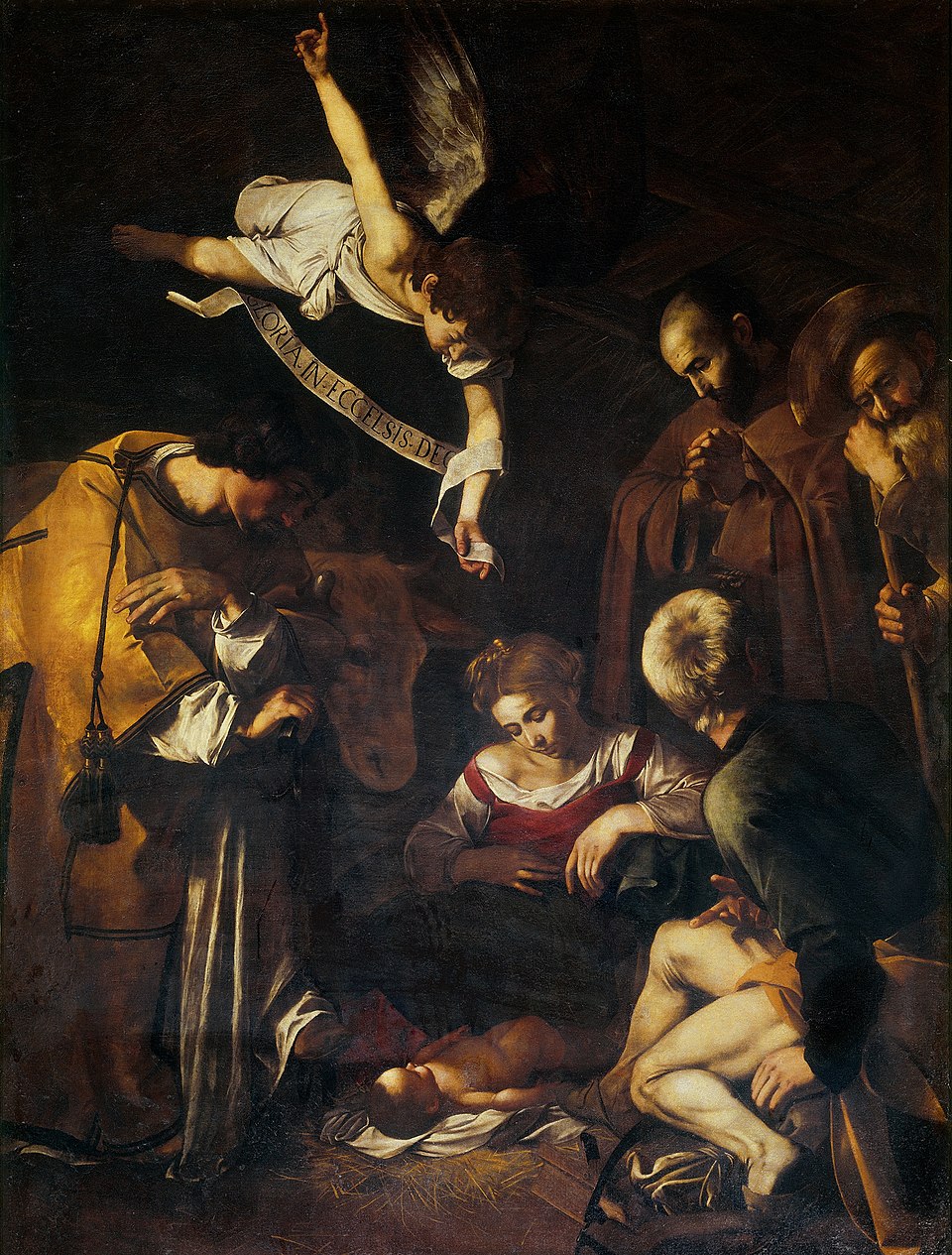
As we celebrate Christmas, these words from the prologue of the Gospel of St. John invite us to approach the Feast of the Incarnation by contemplating the divinity of the Christ Child. As we sing in the well-known hymn Adeste fideles: Word of the Father, now in flesh appearing, we contemplate the invisible and uncreated God made visible in the humility of created human nature.
We are very familiar with the events of our Saviour’s Birth, what is commonly referred to as the Christmas story; and this story also has a prologue, a rather lengthy one recorded in the Old Testament prophecies and promises made by the God of salvation, the Author and Creator of all that exists, Avinu Malkeinu, Our Father, Our King. These prophecies gave hope to a people chosen to bring forth the Saviour; and in our preparation for this Feast, in the liturgy of Advent the Church proposes them for our prayer and consideration and contemplation.
The gradual and progressive revelation of the Saviour first spoken of in the promise made in the Book of Genesis culminates in the prophecy of Isaiah: Behold, a virgin shall conceive and bear a son, and shall call his name Immanuel, God-with-us (7:14). In our English tradition, performances of Handel’s Messiah have become a feature of our Christmas celebrations. This musical oratorio begins with these words from the prophecy of Isaiah: Comfort, comfort my people, says your God. Speak tenderly to Jerusalem, and cry to her that her warfare is ended, that her iniquity is pardoned (Is. 40:1). These are the first words of a section in this prophetic text called the Book of the Consolation of Israel; written to comfort and console the people in their exile in Babylon. In our liturgy and in our own prayer, we take them to heart as we contend with the insufficiency of our human condition and in our struggles with iniquity that causes us to be alienated from God and others, and perhaps from our very selves. Handel’s oratorio is a musical tapestry that weaves together the promises of the prophets and their fulfillment in Jesus Christ, the Messiah and Saviour finally triumphantly hailed as King of King and Lord of Lords.
In the course of every liturgical year, in the proclamation of the Gospel and the celebration of her ancient rites, the Church re-presents these saving mysteries so that in every time and place the prophecy may be fulfilled: And the glory of the LORD shall be revealed, and all flesh shall see it together, for the mouth of the LORD has spoken (Is. 40:5). The Prophet who speaks these consoling words also speaks of this Child as the Suffering Servant who will deliver all of humanity from the darkness of unbelief, sin and human pride. The LORD has bared his holy arm before the eyes of all the nations; and all the ends of the earth shall see the salvation of our God (Is. 52:10). The mission of the Messiah is at once universal and intimately personal. The scope of His redemptive act is universal; but the offer of salvation is intimately personal. The Book of the Prophet Isaiah is sometimes referred to as the fifth gospel because its prophecies speak so eloquently and truthfully about the Messiah, of His Birth and of His Sacred Passion. Rightly, do we speak of the Redemptive Incarnation as one glorious Mystery to which we are conformed. And the Word became flesh and dwelt among us, full of grace and truth; we have beheld his glory, glory as of the only begotten Son from the Father (Jn. 1:14).
What does it mean for us to recall the ancient prophecies, to celebrate the Birth in time of the Word of the Father, and in the course of the liturgical year to recall the events of His Saving Passion, Death and Resurrection? Year in and year out the sacred liturgy of the Church invites to approach and recall the events of this Mystery with reverence and devotion, attentiveness and expectancy for in him was life, and the life was the light of men. The light shines in the darkness, and the darkness has not overcome it (Jn. 1:4-5).
Lest our commemorations be only a matter of rituals observed or traditions kept, it is essential that this Word be received into the intimacy of our lives, into our hearts and minds intentionally, deliberately and above all, with humility. But to all who received him, who believed in his name, he gave power to become children of God; who were born not of blood nor of the will of the flesh nor of the will of man, but of God (Jn. 1:12-13). To celebrate Christmas, first and foremost means receiving this Word-become-flesh into the intimacy of our life and then to live out of the conviction that we are children of God. This conviction, this truth is at the very heart of Christianity and in turn, of Christian culture and the Christian societies that since the Saviour’s Birth have given form to Christendom; arguably and demonstratively the greatest and most liberating civilization in human history.
We are heirs of this civilization; and amidst the noise and confusion of our troubled times, when those who peddle and threaten to impose a nihilism disguised as faith either by means of a globalized expression of force through carefully choreographed protests that include necromantic invocations and threats; or by means of wanton acts of violence that since the beginning of this millennium now number in the tens of thousands, we nevertheless with even greater conviction and fortitude must continue to be bearers of a civilization that proclaims and fosters the sanctity and beauty of life. In him was life, and the life was the light of men. The light shines in the darkness and the darkness has not overcome it (Jn. 1:4-5).
It is not an exaggeration to say that we are experiencing an overt attempt at civilizational erasure surprisingly aided and abetted by those whose stated task it is to defend our Christian culture. Complicity with alien and hostile forces is inexplicably presented as a good to be promoted, embraced and even legislated. In this sense, the state of things is not so different than the times of our Saviour’s birth, when through weakness and compromise, the elite of society betrayed their sacred trust. The true light that enlightens every man was coming into the world. He was in the world and the world was made through him, yet the world knew him not. He came into his own home, and his own people received him not (Jn. 1:4-5). How many baptized Christians likewise receive Him not? In our days their number is legion; and the nihilism that infects our once Christian nations and tragically, our families is the heavy price paid, a ‘tax burden’ of sorts imposed by alien overlords and more often than not embraced by souls weakened by the darkness of error, sin and obstinate pride.
What then are we to do so that we may live in freedom and dignity; and above all, in fidelity to God? But to all who received him, who believed in his name, he gave power to become children of God, who were born, not of blood nor of the will of the flesh nor of the will of man, but of God (Jn. 1:12-13). To live one’s life in the knowledge and conviction of this truth means affirming that God is indeed our highest good, and that our need of God is daily met through a discipline of prayer that is devout, generous and sincere. In so doing, the divine truths that we celebrate become living realities that form the foundation and development of our existence, personally and in turn, collectively. To receive God’s living Word by faith means that we appropriate, that is, make our very own all that is revealed; pondering and reflecting on these mysteries and truths in imitation of Our Lady.
The Word (logos) that is revealed by God the Father, proclaimed by holy Mother Church and received by every heart that welcomes Him possesses a logic that is rational and loving, liberating and transformative. This living Word made manifest in the Christ Child invites us to repentance, to prayer and to sacrifice. Ever since the Incarnation of the Son of God and His Birth in time, countless humble and generous souls have done great things for God’s greater glory and the good of humanity. We can ponder the great deeds of the Saints, the greatest men and women who have ever lived; but especially at this time of the year, we also remember and think of the great and humble souls in our families, our parents and grandparents, brothers, sisters, and all manner of relations who in their time and place received Him and believed in His name. We are heirs of their prayers and sacrifices and these inspire us to be what is most needed always and everywhere: witnesses to the truth that cannot change, heralds of repentance, models of humility, builders of civilization, children of God, and no less children of Mary whose Magnificat echoes through the centuries of human redemption as a modus operandi: ‘My soul magnifies the Lord.’
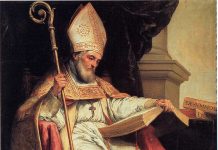
St. Ambrose of Milan observed: Christ is the image of God, and if the soul does what is right and holy, it magnifies the image of God, in whose likeness it was created and, in magnifying the image of God, the soul has a share in its greatness and is exalted. In the strength and conviction of these truths, and most especially in imitation and in union with the Blessed Virgin Mary, the Chosen Daughter of Israel who was most intimately united to the Word of God in the Mystery of Salvation, we celebrate anew the Feast of the Incarnation. And the Word became flesh and dwelt among us, full of grace and truth, we have beheld his glory, glory as of the only begotten Son from the Father (Jn. 1:14). With the humility of Our Lady whom we venerate as both Our Mother and Our Queen, let us receive this living Word into the intimacy of our own life and with her also say, my soul magnifies the Lord and my spirit rejoices in God my Saviour. In so doing, each one of us in our time and place, humble and hidden as it may be, will like all those who have faithfully believed and served this Mystery, be co-operators in the truth (cooperatores veritatis); committed to truth and integrity and the sharing of knowledge and faith.